
The Boegoebaai Green Hydrogen Frontier
With the REPowerEU Strategy, the European Union aims at covering 10% of its energy needs through green hydrogen by 2050. However, the so called “black hydrogen”, that is the hydrogen produced through coal and the burning of fossil fuels, currently represents 96% of the global production.
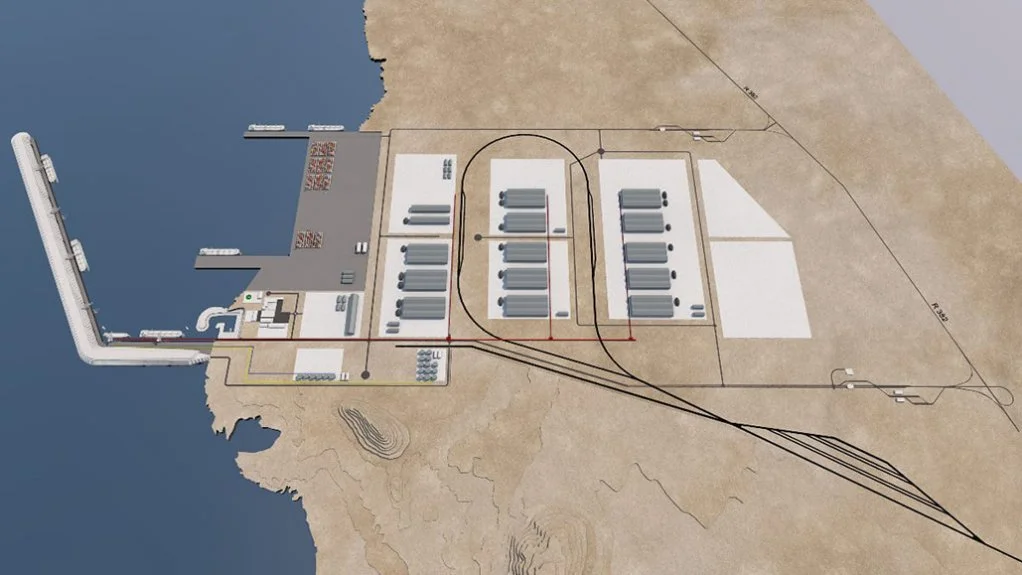
In order to achieve the transition from black to green hydrogen, a Memorandum of Understanding between South Africa’s government and the Port of Rotterdam, The Netherlands, has initiated a cooperation between the two countries to open a green hydrogen production plant at Boegoebaai, a headland situated South of Alexanderbaai, Northern Cape
While the Boegoebaai project promises to support the European Union in implementing the green hydrogen transition, many problems arises among impacted communities on the site.
Local communities, among which indigenous Nama population, denounce among other things a lack of consultation, environmental assessments, and land grabbing practices over a territory, the Richtersveld, that the South African Supreme Court has ruled to belong to the community under the Restitution of Land Rights Act in 2004.
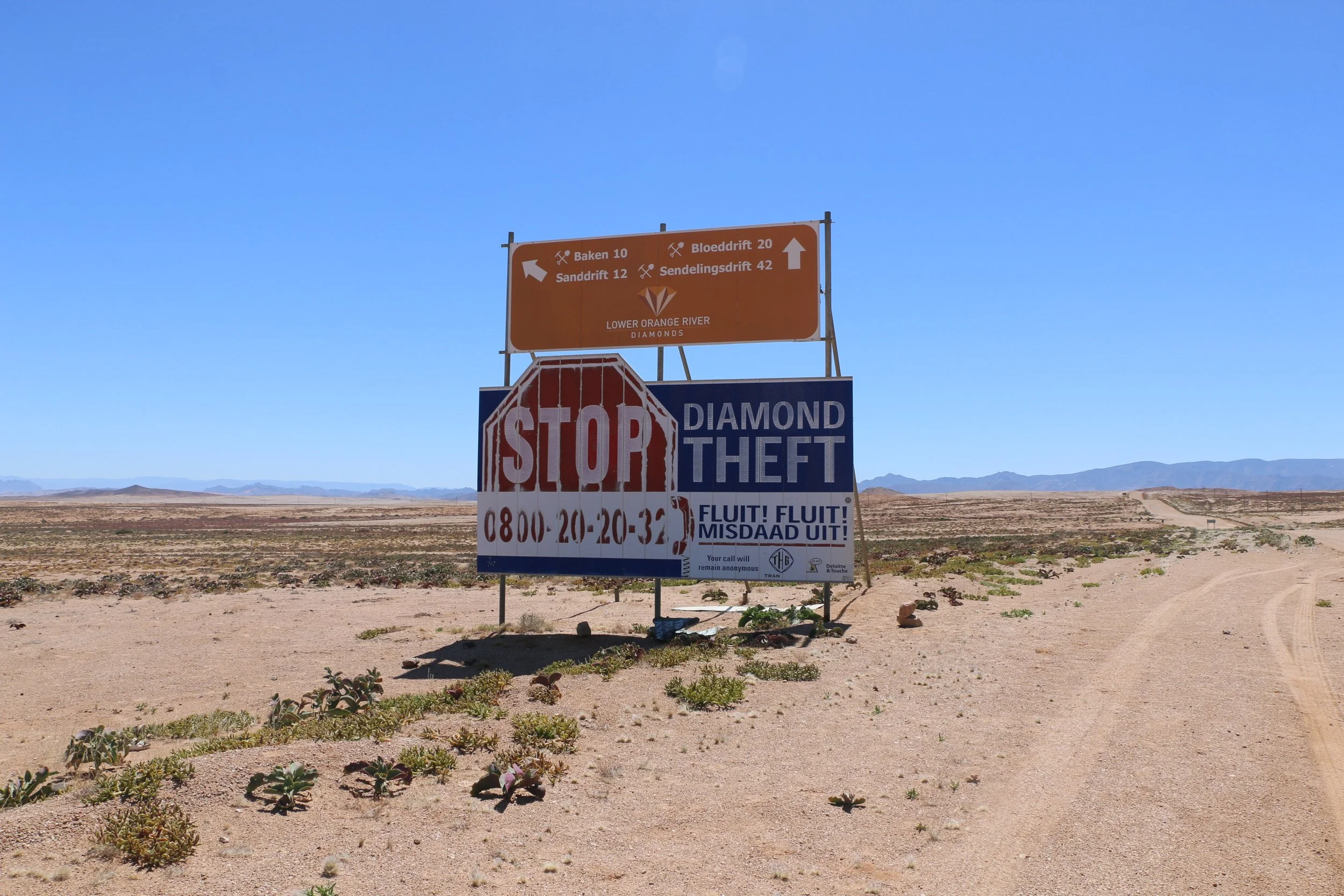
Other problematics of the project includes the Boegoebaai cape is considered to be holy land from Nama people as it hosts the graves of their ancestors. Moreover, in a scarcely connected land such as the Northern Cape, the project envision the construction of a harbor and a railway with the exclusive purpose of transporting ores and mining materials.
These problems raise several questions on ownership, consultation, benefits for the hosting communities; leaving us wondering who are the beneficiary of the green energy transition and who bears its costs.